
How can adaptive reuse preserve architectural memory while creating new ways to experience historic spaces? This question is at the core of Memory, Function, and Space: Adaptive Reuse as a Strategy for Reintegrating Ottoman Heritage in Albania, a research and design concept by Brunilda Basha and Erika Ruiz, presented at the International Conference on Adaptive Reuse at the University of Pisa.
The research focuses on the historic Ottoman hammam in Elbasan, Albania, and explores its transformation into a cultural and museum space. Alongside the architectural proposal, the project investigates how digital representation and new technologies could shape the museum experience.
Representing the transformation
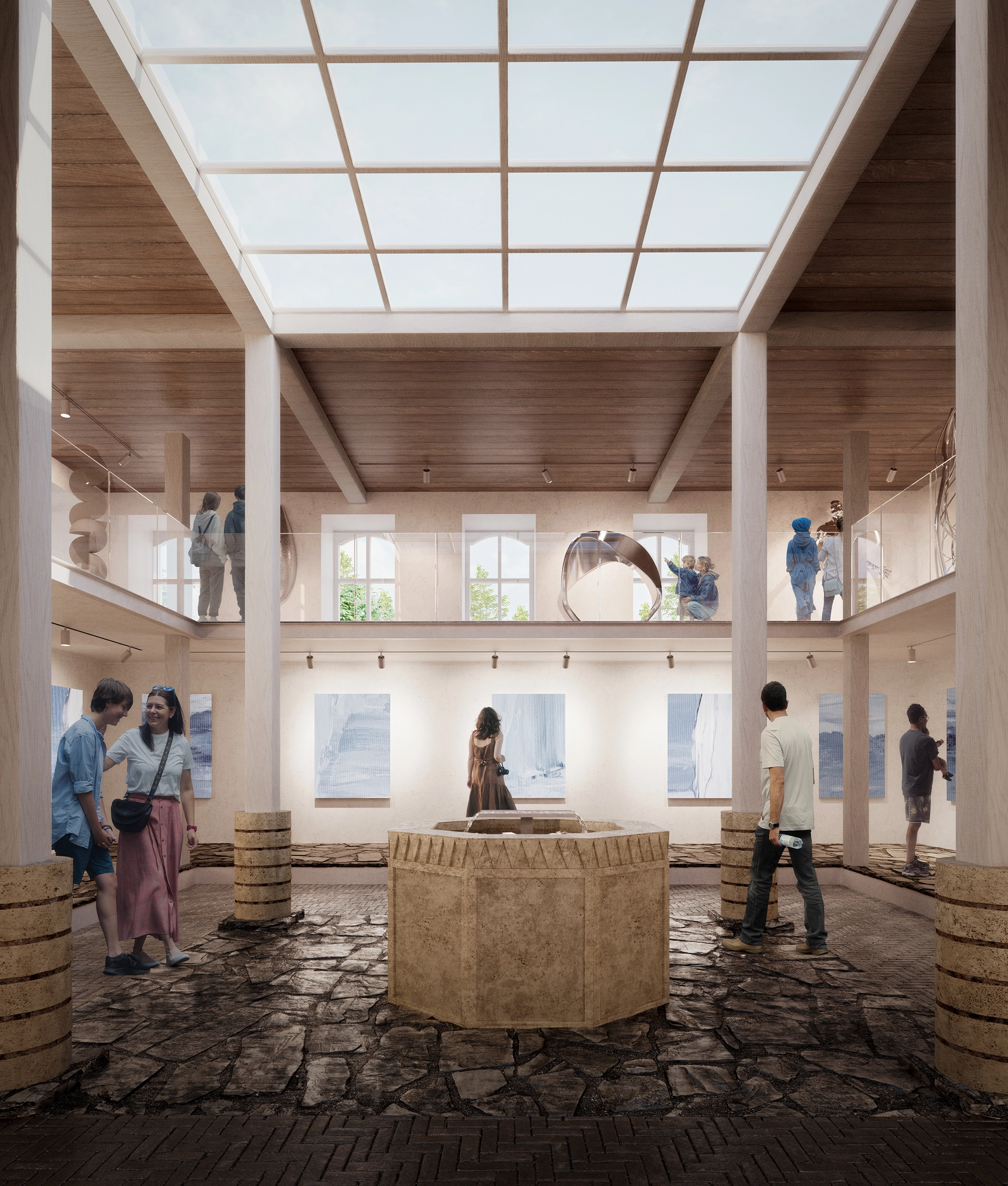
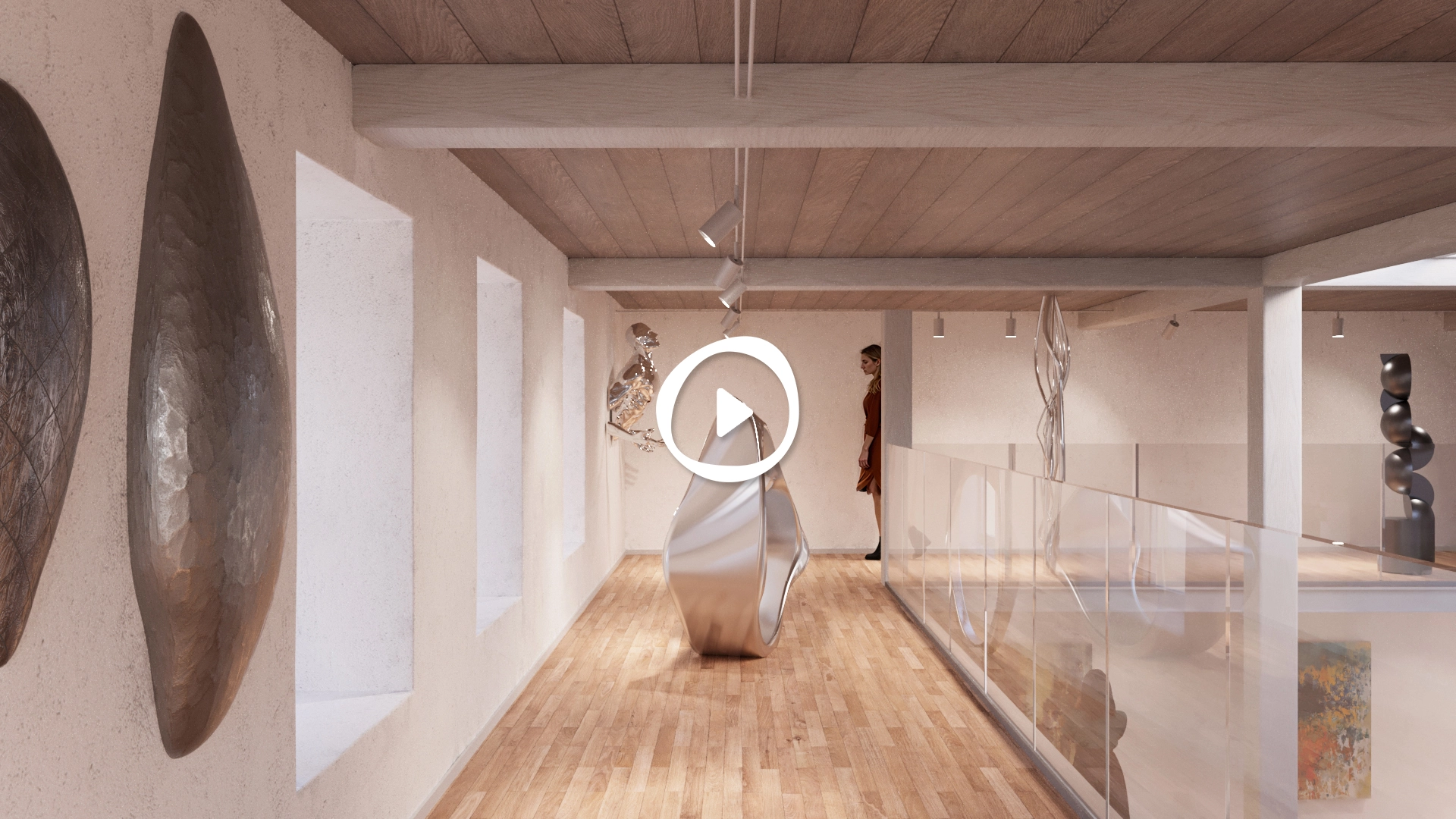
The proposed adaptive reuse concept envisions the hammam as a cultural venue for exhibitions, educational activities, and public events.
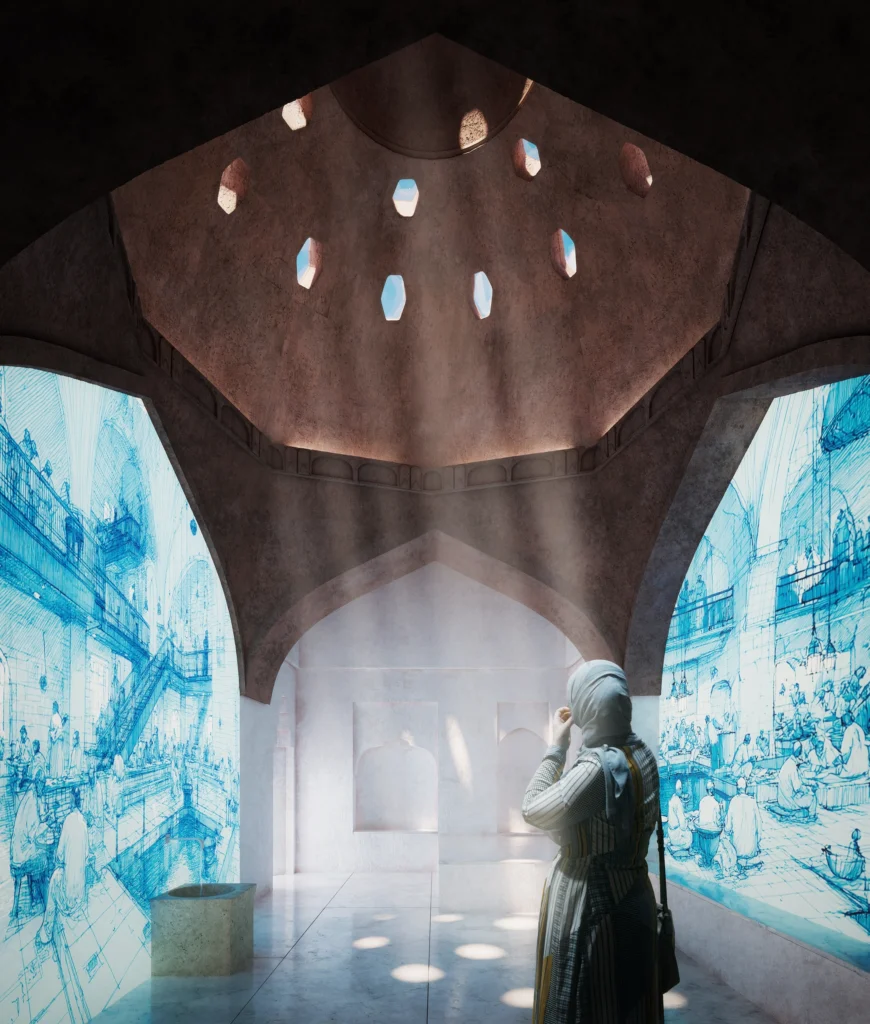
PLEM Visual Tales contributed to the visual representation of the project, translating the architectural proposal into images that communicate the relationship between the existing building and its envisioned transformation.
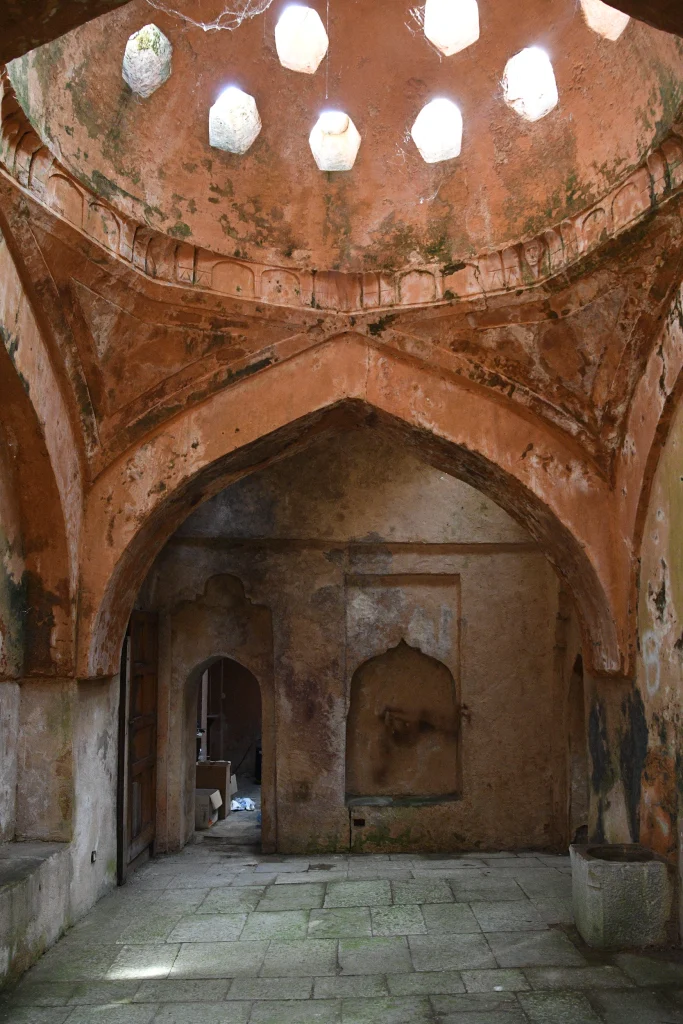
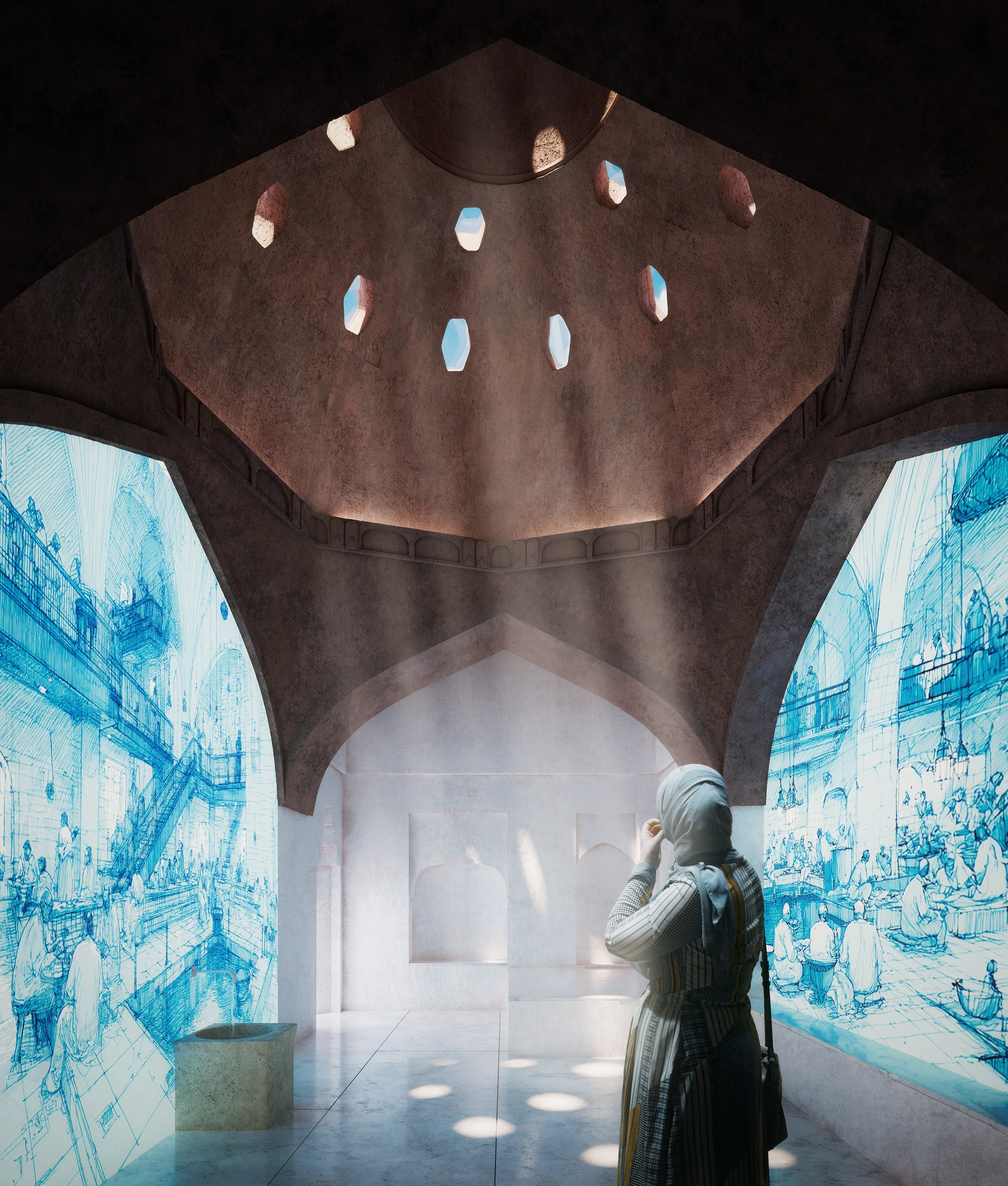
Photographic documentation captures the hammam in its current state, revealing its materials, spatial qualities, and traces of time. Architectural visualisations, in contrast, illustrate the proposed intervention and show how the historic building could accommodate new cultural functions.
Together, these images communicate the design beyond drawings and technical documentation, making the proposed transformation more tangible.
Envisioning an interactive museum journey
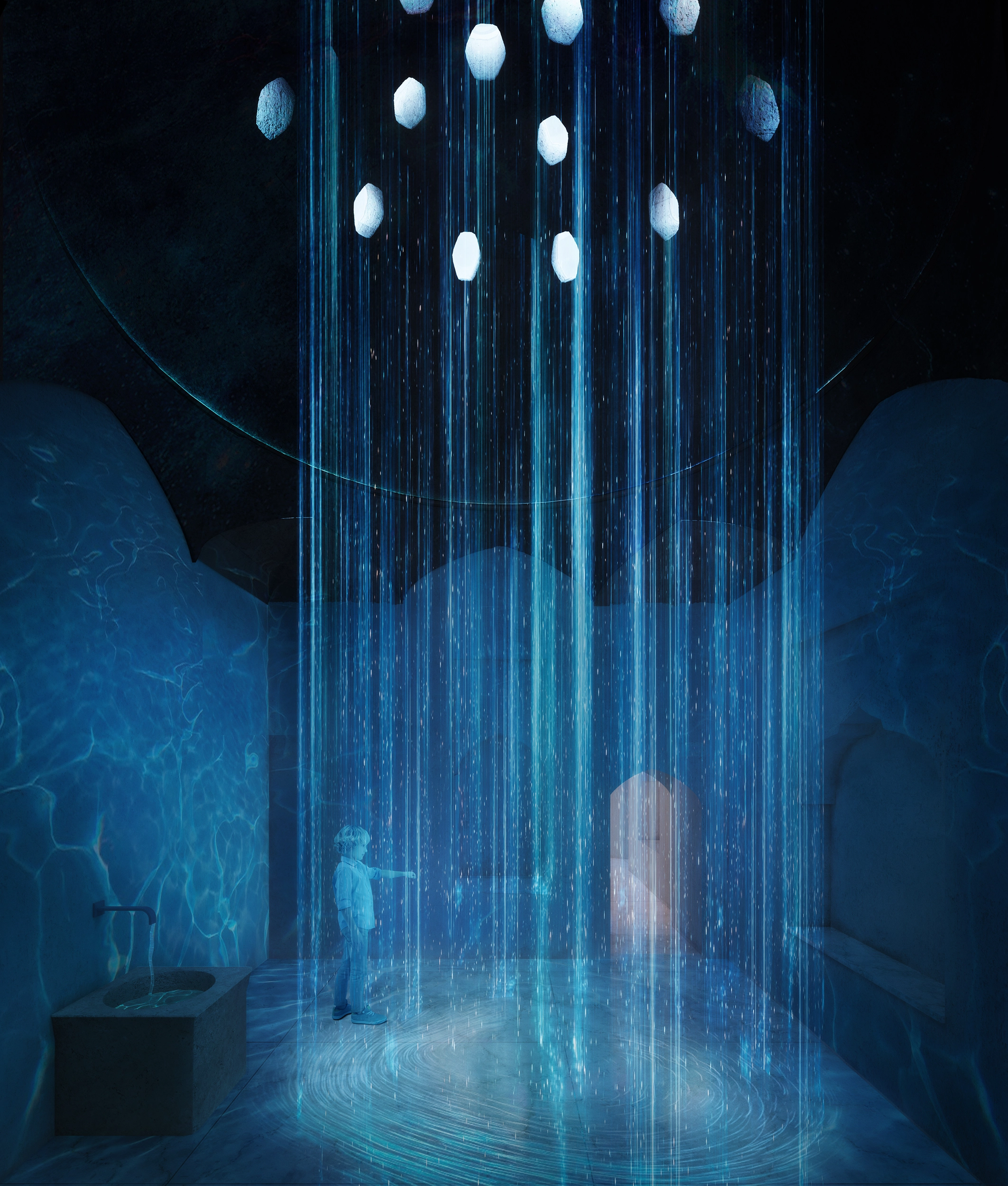
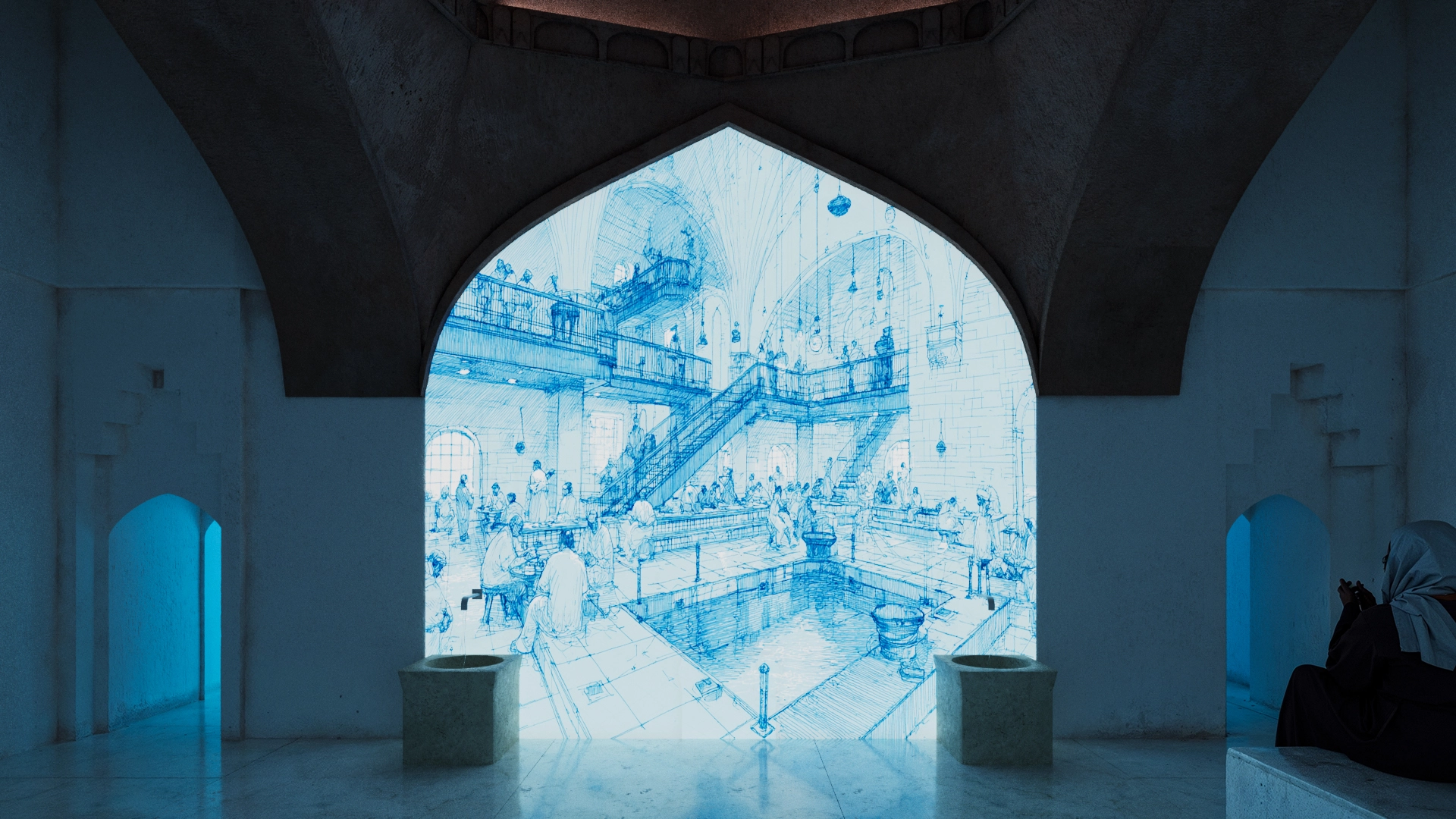
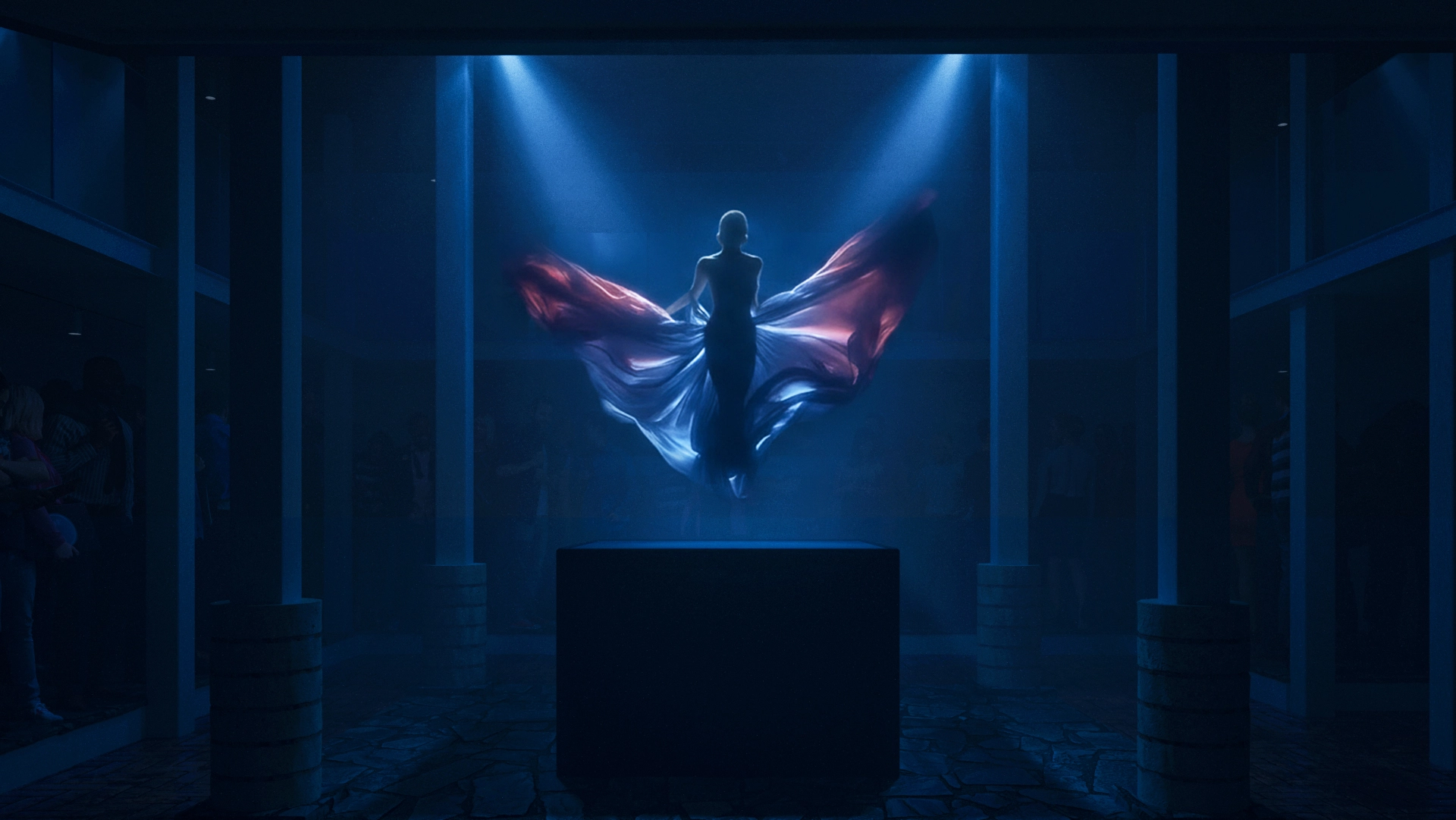
The research also explores the potential of immersive and interactive technologies within the proposed museum. The aim is to connect visitors with the hammam’s history and cultural significance through an experience that extends beyond the physical space.
Digital content could complement the architecture, introducing different layers of information and interpretation throughout the museum journey. In this way, the building itself becomes part of the visitor experience, with its spaces, materials, and historical traces providing a starting point for discovery.
The proposed approach considers how technology could support a more engaging relationship between visitors and the site’s heritage. Rather than separating digital interpretation from the architecture, the concept explores how the two could work together to communicate the building’s history and envisioned future.
Connecting memory, architecture, and technology
Memory, Function, and Space brings together adaptive reuse, architectural visualisation, and interactive interpretation to explore new possibilities for historic buildings.
For PLEM Visual Tales, the project extends architectural representation beyond the image itself. Visualisation communicates the proposed transformation, while the exploration of immersive technologies opens up possibilities for experiencing and interpreting the space.
The research considers how these approaches could contribute to the future of the Ottoman hammam in Elbasan, preserving its architectural identity while giving it a new cultural role.
Research and design concept: Brunilda Basha and Erika Ruiz
Case study: Historic Ottoman hammam, Elbasan, Albania
Research focus: Adaptive reuse, architectural heritage, digital representation, and interactive museum experiences
The research was presented at the International Conference on Adaptive Reuse at the University of Pisa in September 2025. The conference proceedings were published in 2026.
Have a project in mind? Let’s talk how we can bring it to life
Curious to discover more?
We craft stories of spaces and architectures.
Copyright © PLEM All Rights Reserved 2026 | Privacy Policy | Cookie Policy